
About our site
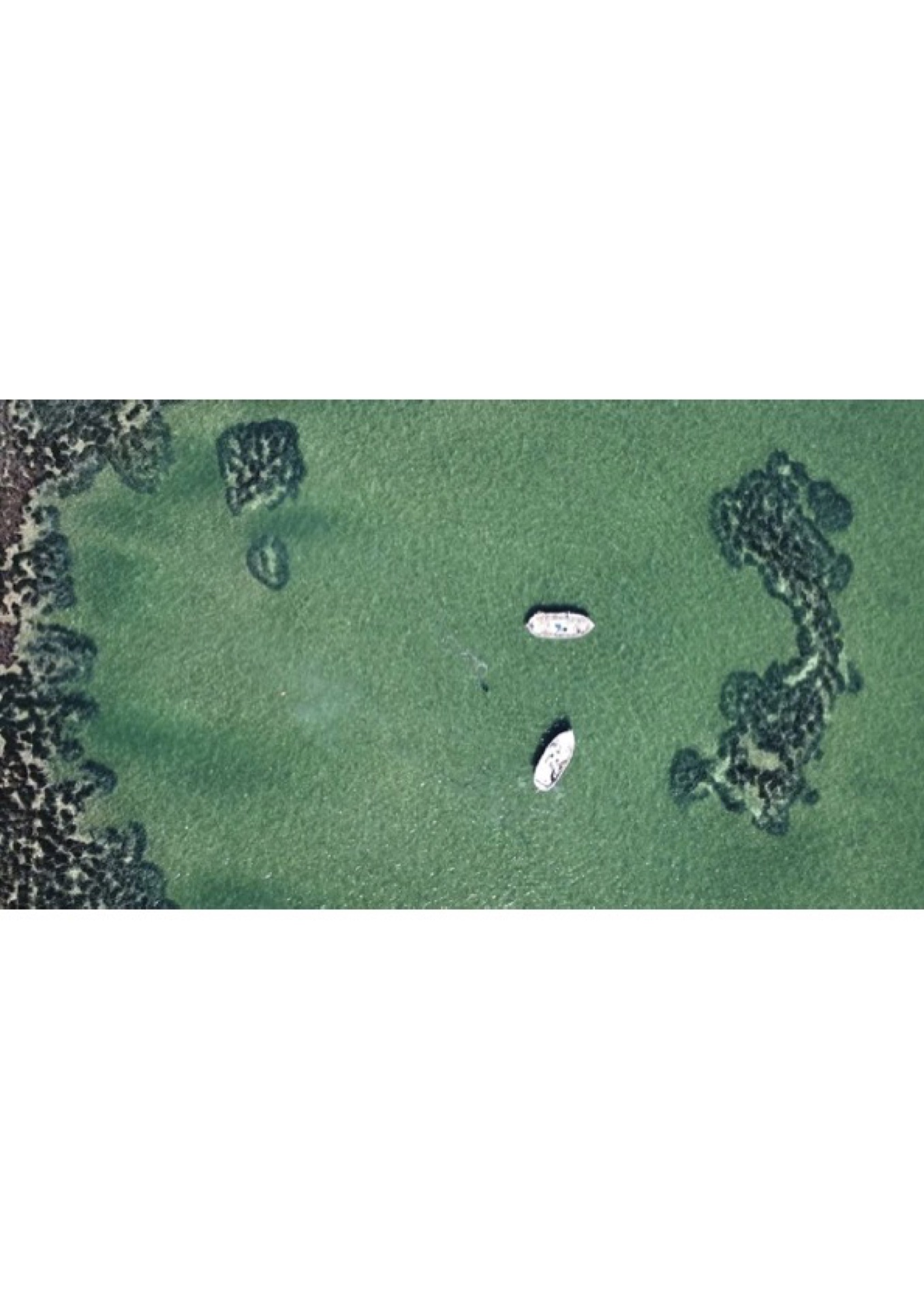
The Kerkennah islands are located on the eastern coast of Tunisia, in the heart of the Mediterranean, surrounded by an assortment of shallow waters, sandy bottoms, rocky habitats and widespread seagrass meadows. Unlike much of the Mediterranean, the sea here is particularly shallow and calm, creating a very exceptional interface between land and water where traditional life still follows the rhythm of the tides, the moon and the seasons.
At the center of this important ecosystem are the meadows of Posidonia oceanica, which represent a nursery for marine life, stock carbon, stabilize sediments and support artisanal fisheries that have shaped local culture for generations. Kerkennah’s ecological importance is deeply tied to its cultural heritage, especially its sustainable fishing techniques and deep-rooted community knowledge.
Now, as the islands are part of a Marine and Coastal Protected Area, efforts are deployed on conserving their natural and cultural heritage, habitat restoration and community-based management. Many ongoing initiatives combine scientific approaches with the active involvement of the local community, fishermen, fisherwomen and youth, aiming to better understand and protect this threatened marine ecosystem for future generations.
What we plan to achieve
On the Kerkennah Islands, the eDNA Expeditions initiative is about seeing the sea differently and managing it more wisely — discovering the unseen, completing a puzzle. In a shallow, ever-changing environment like Kerkennah, understanding what lives beneath the surface is not always easy. That is why we are turning to environmental DNA (eDNA): to capture a clearer, more detailed picture of marine life, even for species that are rare, hidden, or hard to track. The goal is to produce reliable, practical knowledge that can directly support decisions within the Marine and Coastal Protected Area and help create a new role of fishermen/fisherwomen biologist within the MCPA.
At the heart of this work are the seagrass meadows formed by Posidonia oceanica. These underwater habitats are vital: they sustain fisheries, protect the coastline, and host a rich diversity of life. By analyzing eDNA, we can better understand the communities living there, spot early warning signs when the ecosystem is under pressure, and follow its recovery where conservation efforts are in place.
We are also paying close attention to the growing presence of invasive species like Portunus segnis and Callinectes sapidus. These newcomers are already changing the balance of the ecosystem and impacting artisanal fishing. Tracking their spread helps us anticipate risks and adapt management strategies.
Alongside this, the project keeps a close eye on emblematic and vulnerable species such as Pinna nobilis and Octopus vulgaris. Understanding where they stand today is key to protecting them tomorrow and setting clear conservation priorities.
However, this initiative is not just about technology — it is about people. Local fishermen, women and young people will be actively involved in collecting samples and making sense of the results. By bringing together scientific innovation and local knowledge, we will build a shared understanding of our sea, one that is more grounded, more inclusive, and better equipped to guide the future of Kerkennah marine ecosystems.